People
Director

My work is dedicated to advancing our foundational understanding of human language. How do we understand what we hear and read? How are we able to convert thoughts into meaningful utterances that others understand? And how do we acquire the knowledge that makes all this possible? My research program sits at the intersection of artificial intelligence, psychology, and linguistics, and tackles these questions through theory, computationally implemented models of language, psychological experimentation, analysis of large linguistic datasets, and more.
Postdocs
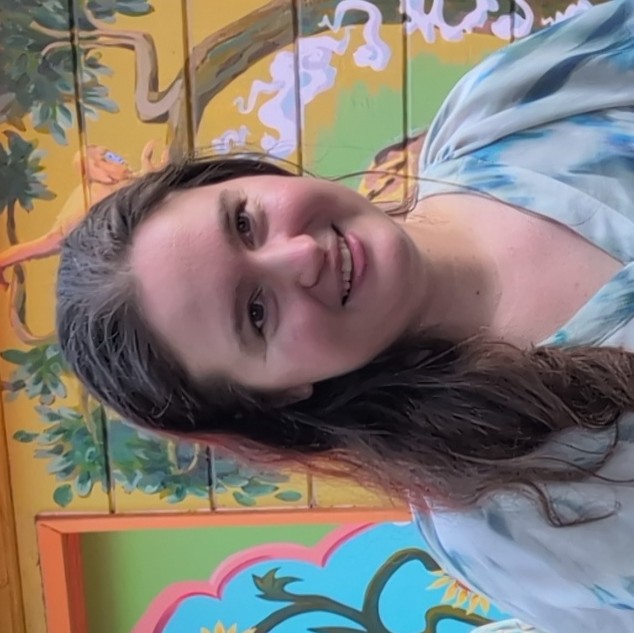
I study how context shapes language processing and production across different time-scales. My current work focuses on developmental sentence processing.
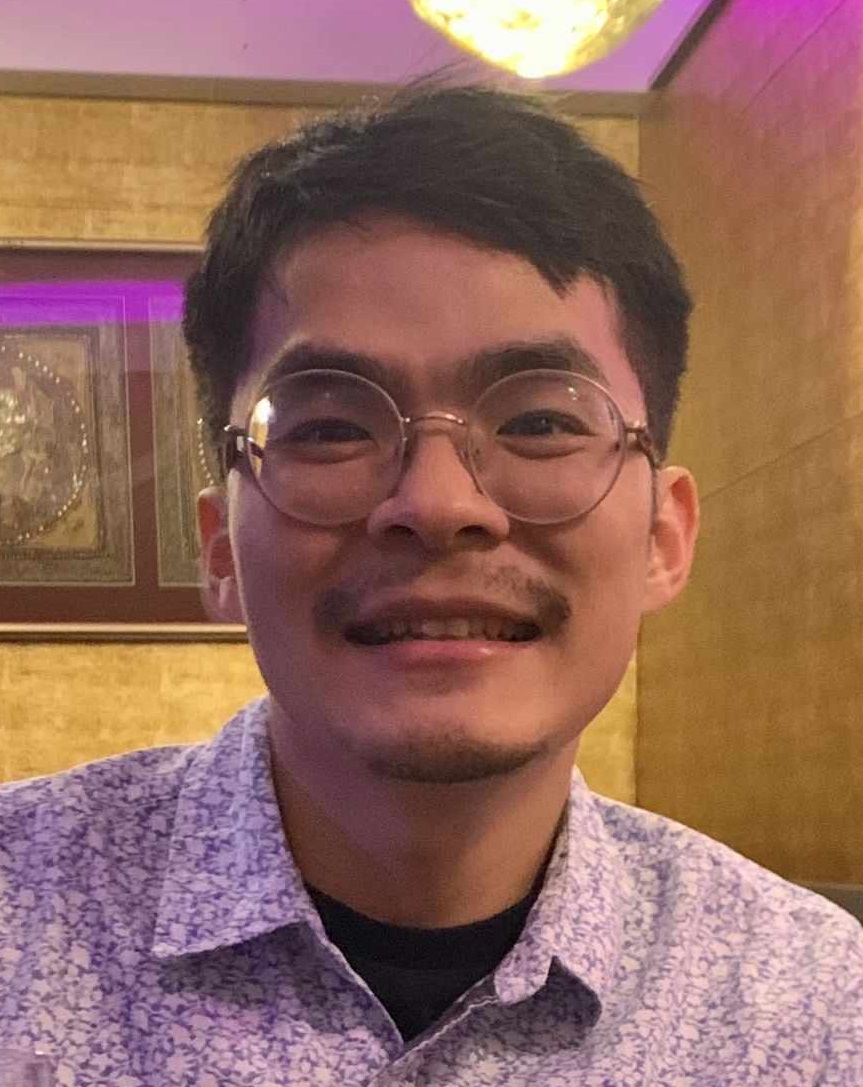
I study prediction and linguistic processing (the roles of statistical regularities and grammar) during sentence comprehension. Most recent projects work with school-aged experimental reading data and small language models.
PhD Students
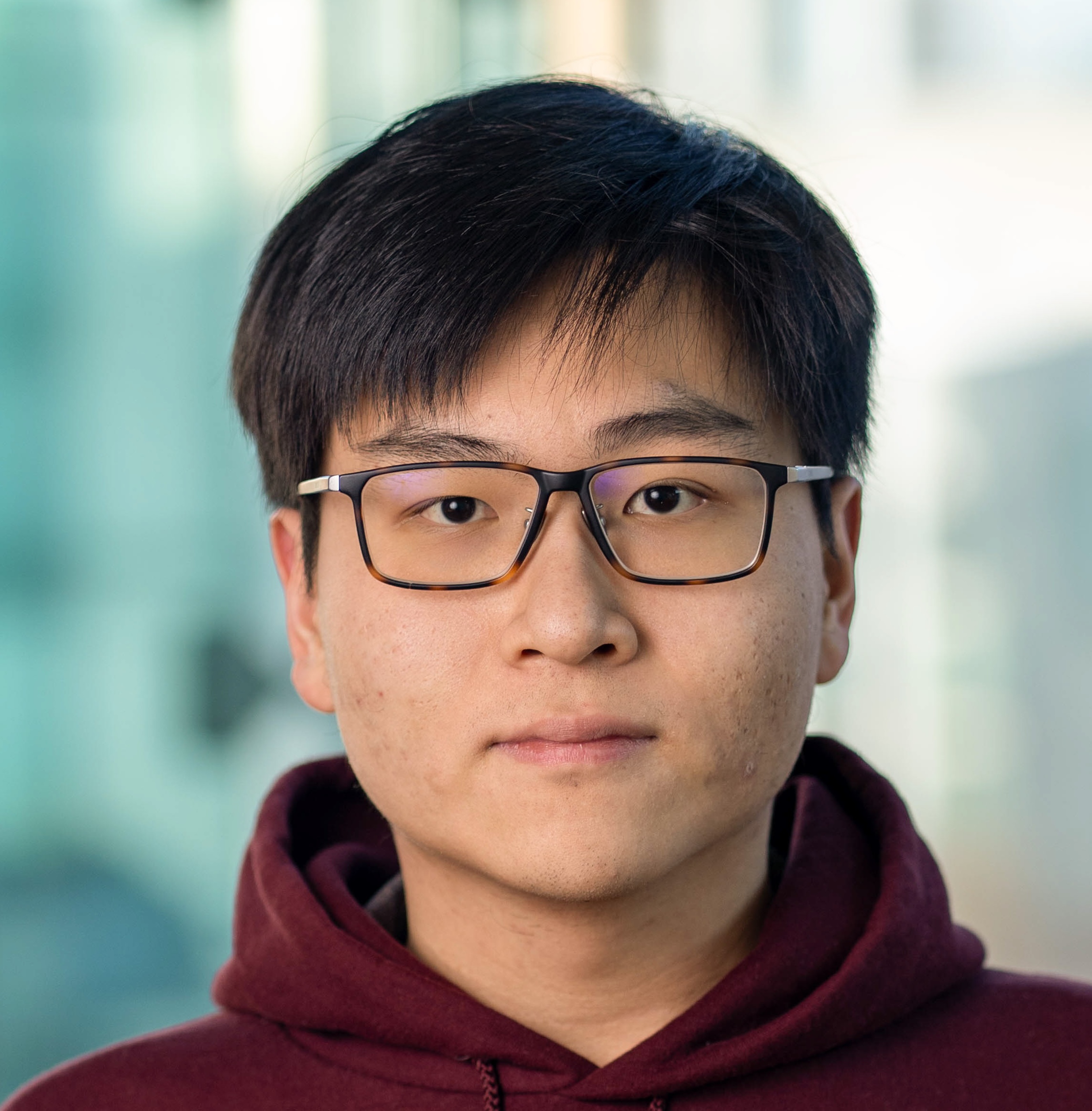
I am interested in languages in and about the mind—the dynamic interplay between language, culture, and thought. I seek to build models of human language to uncover the core cognitive and computational principles that shape language, and to develop human-like machines to reverse-engineer the mind through language.
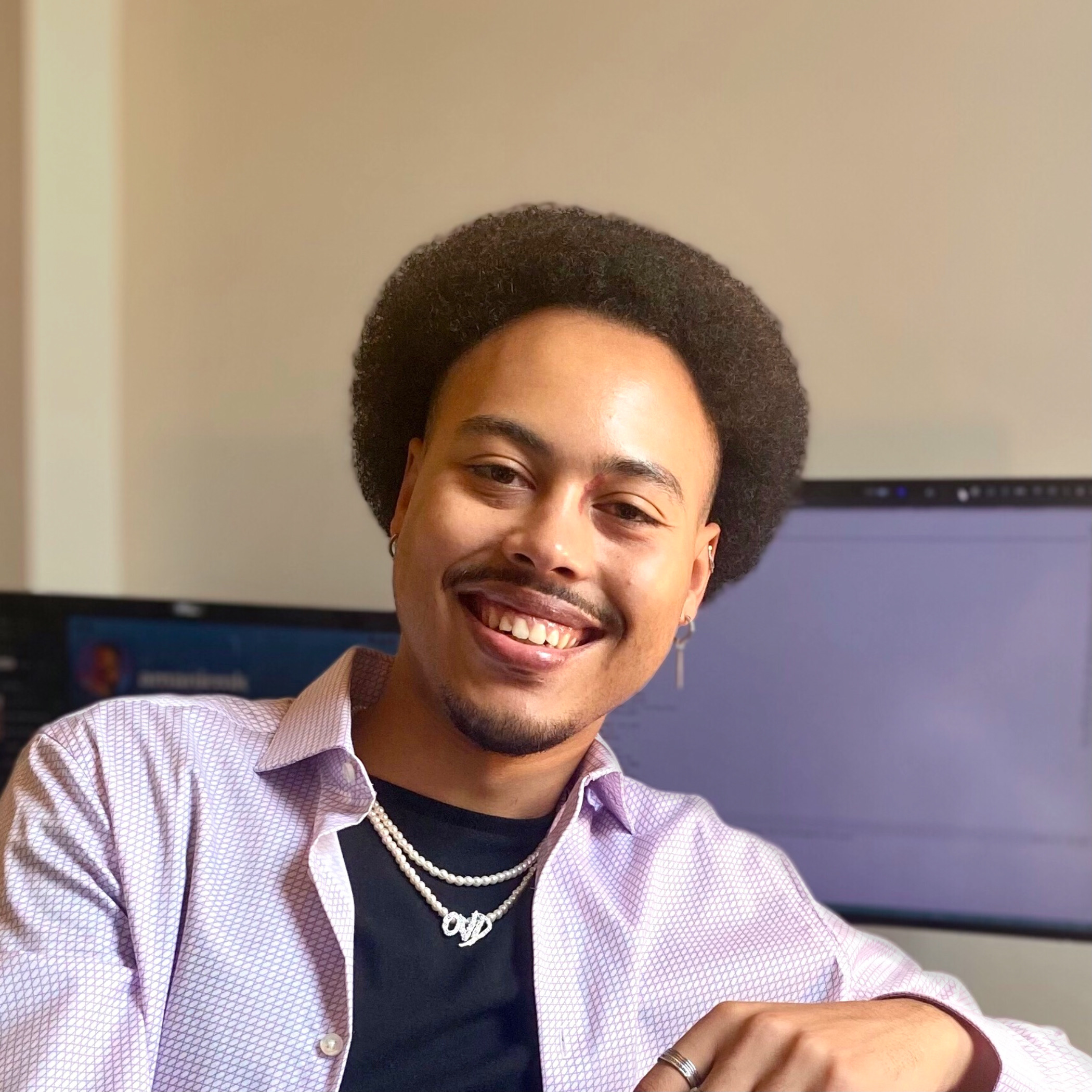
I am broadly interested in understanding cognition by studying natural and artificial intelligence in tandem, but I am most excited about developing computational models that accurately reflect human language processing and all of its many nuances. I aspire to use models (in both the scientific and LLM sense) to uncover the principles, constraints, or algorithms driving our acquisition, comprehension, and production of language.

I study language, thinking, and learning in humans and machines from interdisciplinary perspectives. On the language side, one focus is the nature and theories of linguistic meaning. Another is how to model our abilities to learn rich knowledge representations from language and express complex thoughts in language. A long-term goal is to build, in a cognitively inspired way, more general and beneficial AI systems that can coherently and effectively communicate with us.
Visiting PhD Students
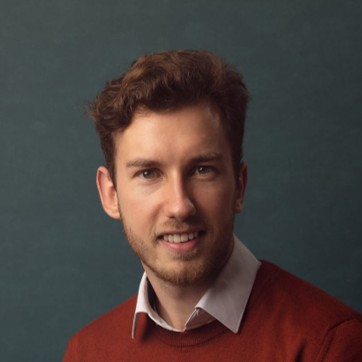
Sam Boeve
My research investigates predictive sentence processing in atypical readers, including individuals with dyslexia, second-language readers, and developing readers.
Research Associates
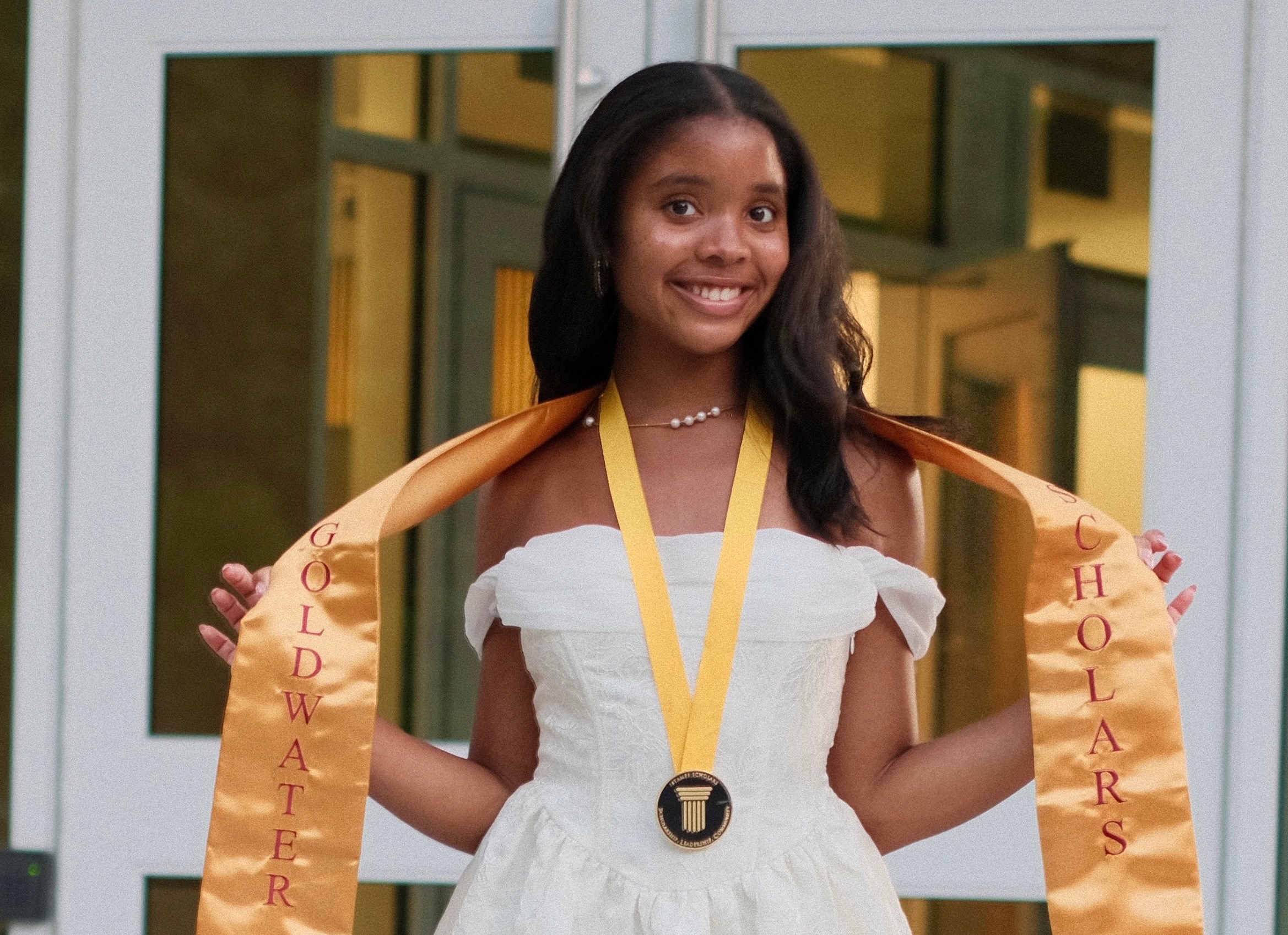
Rhianna Smith
I am broadly interested in understanding the relationship between human language processing and artificial intelligence, and how studying each can provide insight into the other. In particular, I am interested in how language shapes the representations and world models that support human reasoning, and how these processes compare with those that emerge in large language models.
Undergraduates

Jasna Ilieva
I am a Class of 2026 student majoring in Artificial Intelligence and Decision Making (6-4). I am part of a project exploring human-centric hint generation for mathematics problems. More broadly, I am interested in the intersection of AI and math.
I am a Class of 2027 undergraduate studying AI (6-4) and Linguistics (24-2). My project at CPL focuses on evaluating and improving LLMs' comprehension of the grammars of low-resource languages.
Postdoc Alumni

Helena Aparicio (now Assistant Professor, Cornell Linguistics)
My research focuses on linguistic meaning and its interactions with context in language understanding. Most of my work has focused on understanding how different types of linguistic context-dependence affect the way in which listeners exploit contextual information to efficiently approximate the speaker's meaning. To answer these questions, I combine insights from theoretical linguistics and cognitive science more broadly with experimental and computational methods.

Yevgeni Berzak (now Assistant Professor, Technion Faculty of Data and Decision Sciences)
My research combines Natural Language Processing (NLP), Computational Linguistics and Cognitive Science. I currently study what eye movements during reading can reveal about the linguistic knowledge and cognitive state of the reader, and how such signal can be used to improve NLP. Other related interests include multilingualism, linguistic typology, treebanking, and grounded language acquisition.

Canaan Breiss (now Assistant Professor, University of Chicago Linguistics)
My research is in theoretical, computational, and experimental phonology, with particular interest in learning/acquisition, the representation of overlapping and interacting phonological processes, and phonology's interfaces with (morpho)syntax and the lexicon. In the study of these phenomena, I use computational methods from Bayesian cognitive modelling, NLP, and computational phonology; corpus methods, online surveys of understudied languages, and laboratory experiments of all types with infants and adults. I'm current affiliated with both the Computational Psycholinguistics Lab, and with the MIT-IBM Watson AI Research Lab.

Victoria Fossum
Victoria's interests include real-time human sentence processing, probabilistic syntactic methods, and machine translation. She has recently done work comparing hierarchical and sequential probabilistic grammars as models of real-time human sentence comprehension, evaluated against eye-tracking corpora.

Thomas Langlois (now Member of Technical Staff, Blok)
I am currently working on applications of the Information Bottleneck Principle to explore the relationship between perceptual (visual) representations and language across language speakers.
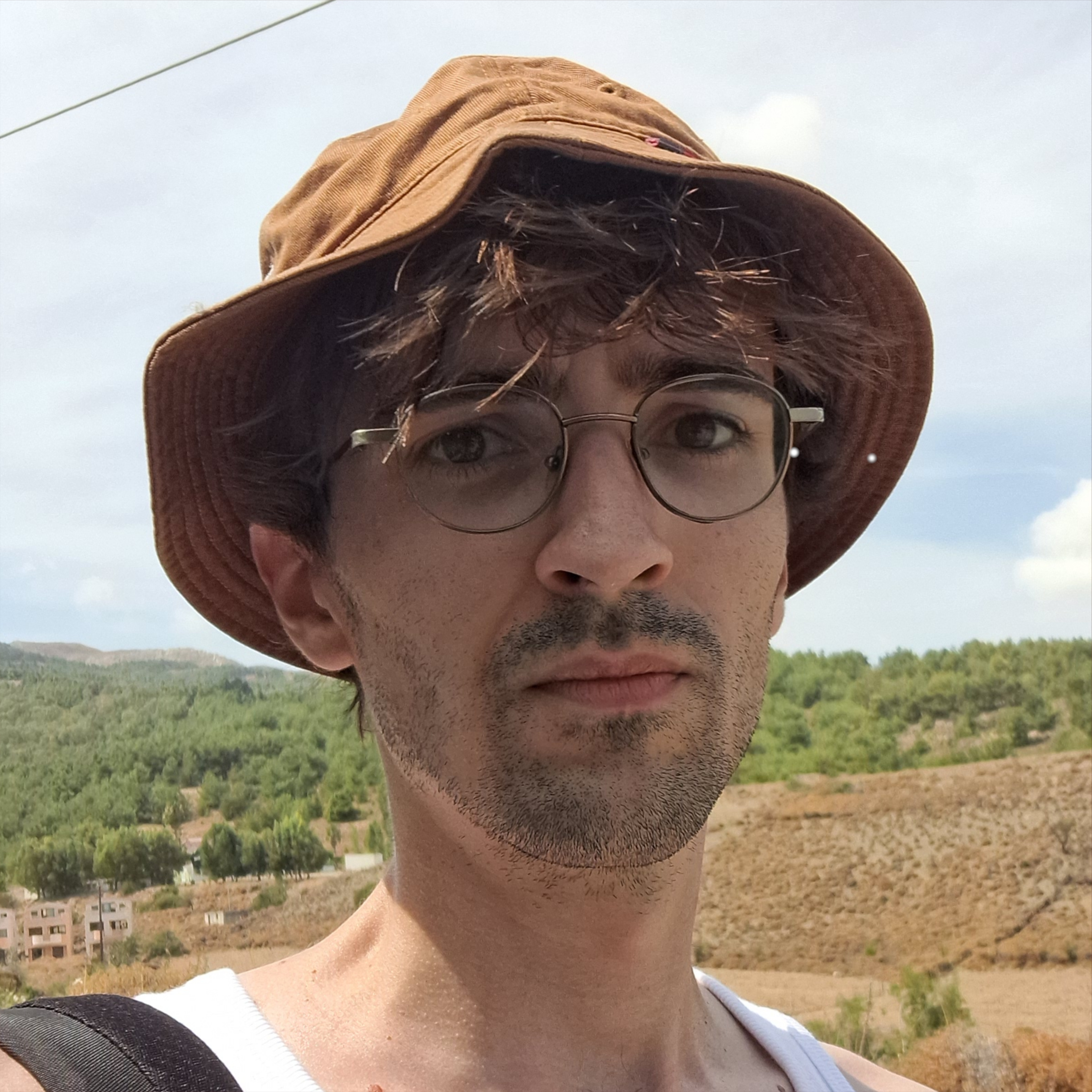
Marvin Lavechin (now CNRS Researcher, Laboratoire d’Informatique et Systèmes (LIS))
I study language development in infants and machines. In particular, my research articulates along two major axes: 1) developing and democratizing artificial neural networks to automatically analyze children’s language environment and linguistic production (supervised learning) and 2) running human-inspired computer simulations of language development to build more efficient algorithms and identify mechanisms driving language acquisition in infants (unsupervised/self-supervised learning).
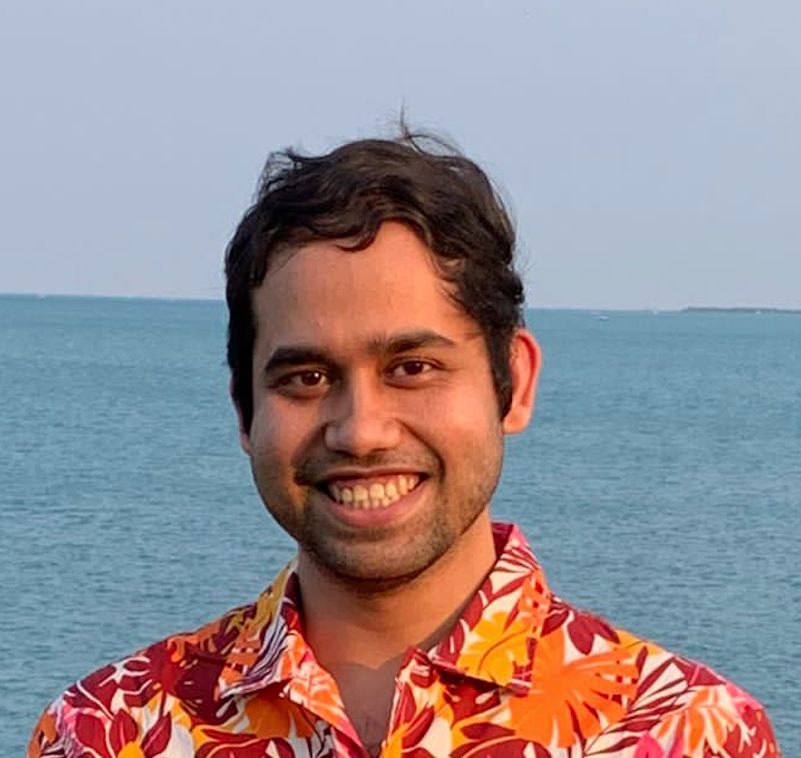
Suman Kalyan Maity (now Assistant Professor, Missouri S&T Computer Science)
My research interests lie in the interdisciplinary area of Human-centered Data Science where I study the mechanisms and dynamics of various complex systems. In particular, my major research focus is on the area of Science of Science, studying the impact of success and failure on professional careers; the global landscape of science fundings, publications, and their interplay; understanding progress in Science and several aspects of Open Science - citation bias, open peer review etc. I also aim to design tools to better understand social phenomena which are aggravated by the misuse of social media platforms (e.g., detection and mitigation of hate speech and incivility). I am also affiliated with the MIT Center for Research on Equitable and Open Scholarship (CREOS).

Stephan Meylan (now Managing Director, Surprisal B.V.)
My research focuses on the nature, origins, and utility of linguistic knowledge in children's early development, and carefully considers how such knowledge grows into the adult ability to process language. I am particularly interested in approaching language learning as a multi-task, multi-agent problem. In my research I use a combination of computational models from NLP, corpus studies, web-based experiments, and in-lab experiments. My postdoc is co-advised by Dr. Elika Bergelson at Harvard, with whom I conduct eyetracking experiments to better understand children's early knowledge of language.
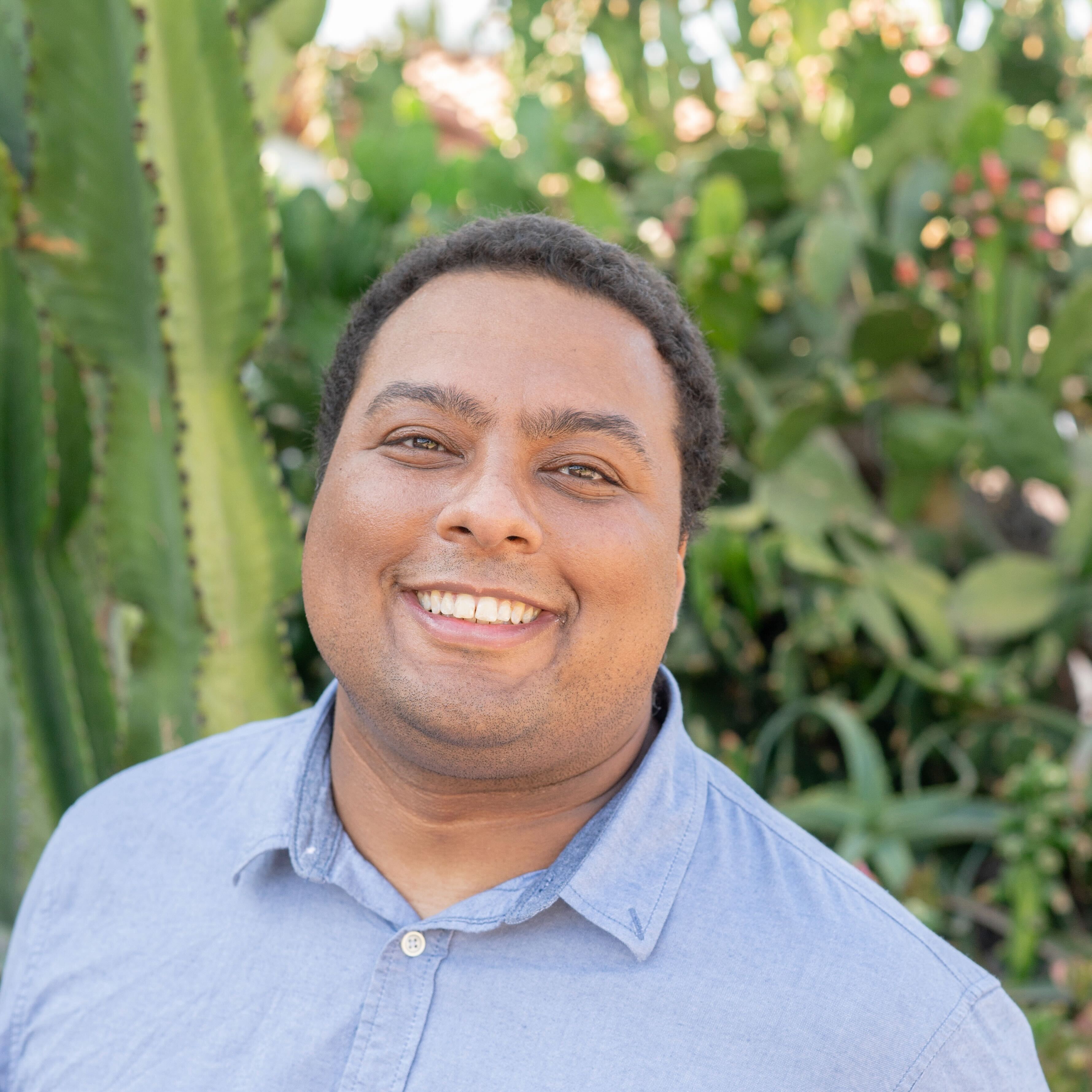
James Michaelov (now Postdoc, Oxford)
My main area of research lies at the intersection of psycholinguistics and artificial intelligence, with a focus on how we can use language models and other computational systems to better understand human language comprehension in the brain, and how we can use insights from psycholinguistics to better understand and characterize the behavior of contemporary language models. I’ve also carried out research on human language comprehension and the capabilities of language models more broadly.
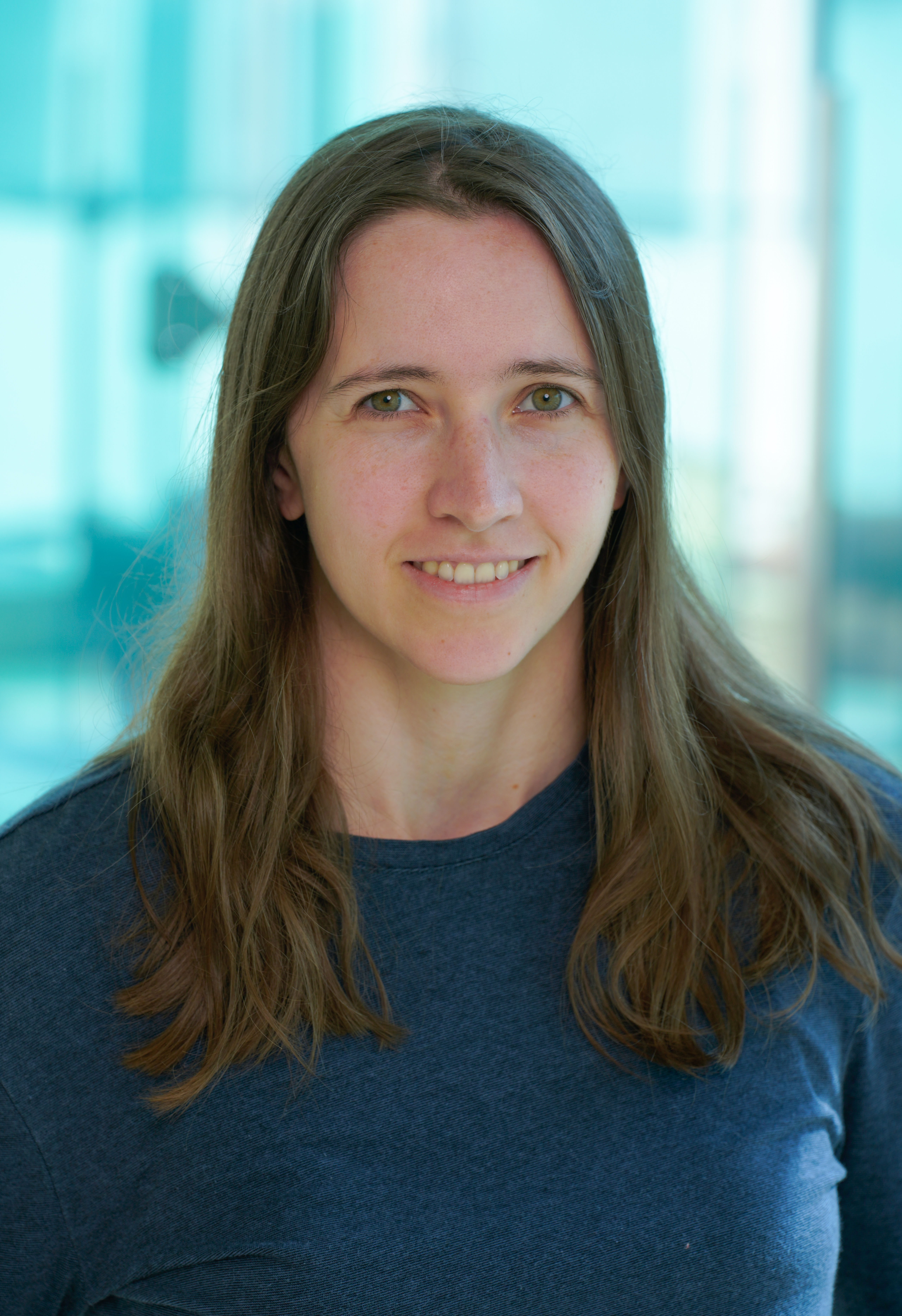
Michaela Socolof (now Postdoc, McGill)
My research investigates the structure and processing of language and relies on computational, experimental, and fieldwork approaches. My recent work has focused on using an information-theoretic approach to measure compositionality.

MH Tessler (now Research Scientist, Google DeepMind)
I am interested in how people use language to share their thoughts and feelings. I am particularly fascinated by the context-sensitivity of language understanding, issues of vagueness, and how people learn from linguistic messages. In my research, I use computational models and behavioral experiments and enjoy thinking up novel data analytic methods.
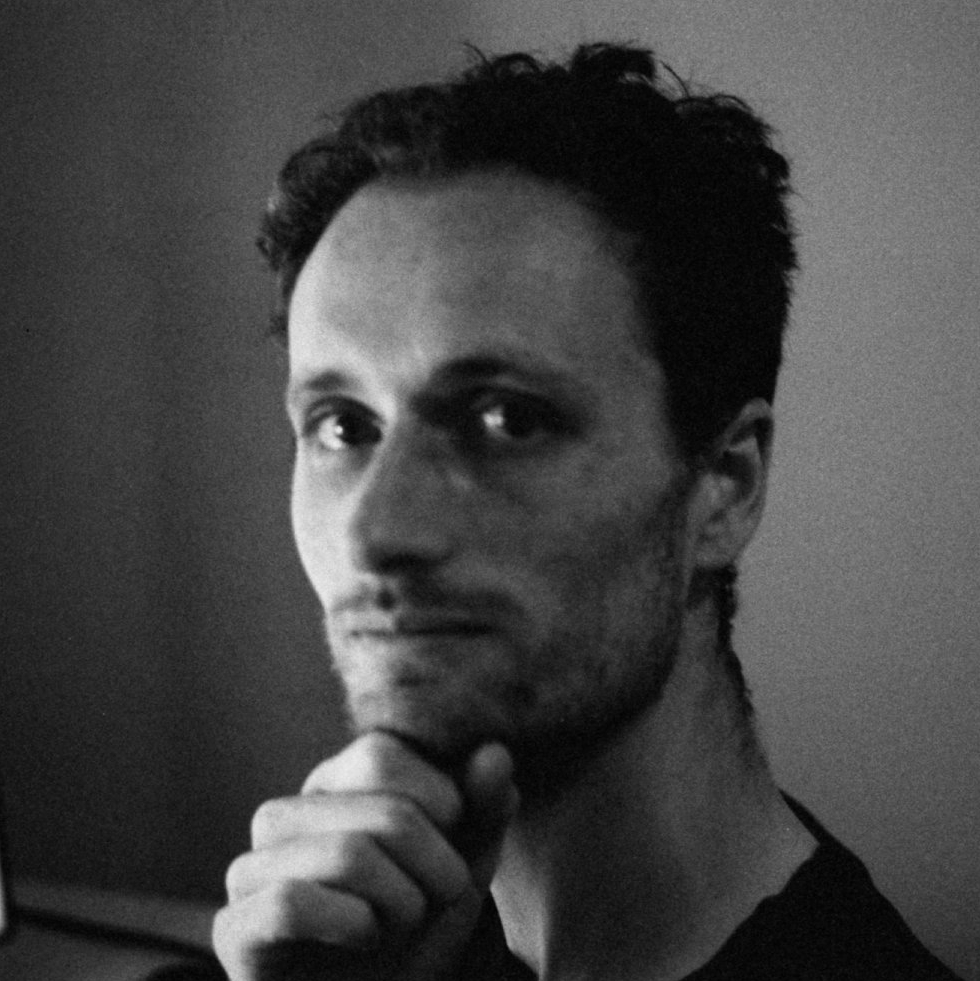
Jacob Hoover Vigly (now Program Coordinator, CHI-FRO)
I am interested in the real-time incremental processes by which humans use and process language. In my research I use tools from deep learning and ideas from the study of probabilistic inference algorithms to answer questions about human language processing.

Titus von der Malsburg (now Junior Professor, Stuttgart Linguistics)
I investigate how the human brain makes sense of language. How is each word that we hear or read combined with our understanding of the sentence so far? What sources of knowledge are recruited in this process? And how are they reconciled when they are in conflict? To answer questions like these, I use experimental and computational methods ranging from eye-tracking and event-related brain potentials to large-scale crowd-sourcing and Bayesian data analysis and cognitive modeling.
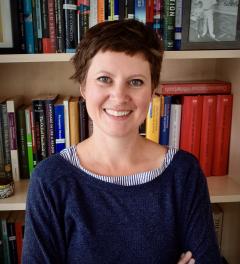
Eva Wittenberg (now Associate Professor, CEU Cognitive Science)
I am interested in how the mind assembles meaning, how this capacity came to be, and how it interacts with other cognitive abilities. I investigate the decisions that speakers face when they wrap their messages in grammar. Speakers make structural choices dozens of times per day, and listeners rapidly process them, make inferences about why something was said in a particular way, and create a representation of the speaker’s intended meaning in their minds.
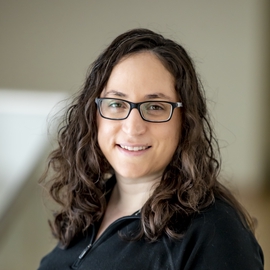
Noga Zaslavsky (now Assistant Professor, NYU Psychology)
My research aims to understand language, learning, and reasoning from first principles, building on ideas and methods from machine learning and information theory. I’m particularly interested in finding computational principles that explain how we use language to represent the environment; how this representation can be learned in humans and in artificial neural networks; how it interacts with other cognitive functions, such as perception, action, social reasoning, and decision making; and how it evolves over time and adapts to changing environments and social needs. I believe that such principles could advance our understanding of human and artificial cognition, as well as guide the development of artificial agents that can evolve on their own human-like communication systems without requiring huge amounts of human-generated training data.
PhD Alumni
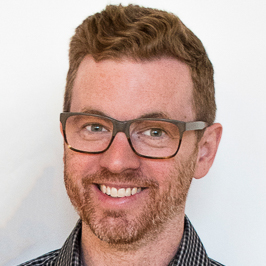
Klinton Bicknell (now Head of AI, Duolingo)
My research seeks to understand the remarkable efficiency of language comprehension. I investigate how we comprehend using a diverse set of methodologies: I build formal, computational models of comprehension using tools from computational linguistics and machine learning, and I also perform a wide range of empirical work, including both controlled experiments (especially eye tracking) and statistical analyses of large, naturalistic corpora. (Klinton was CPL's first PhD graduate!)
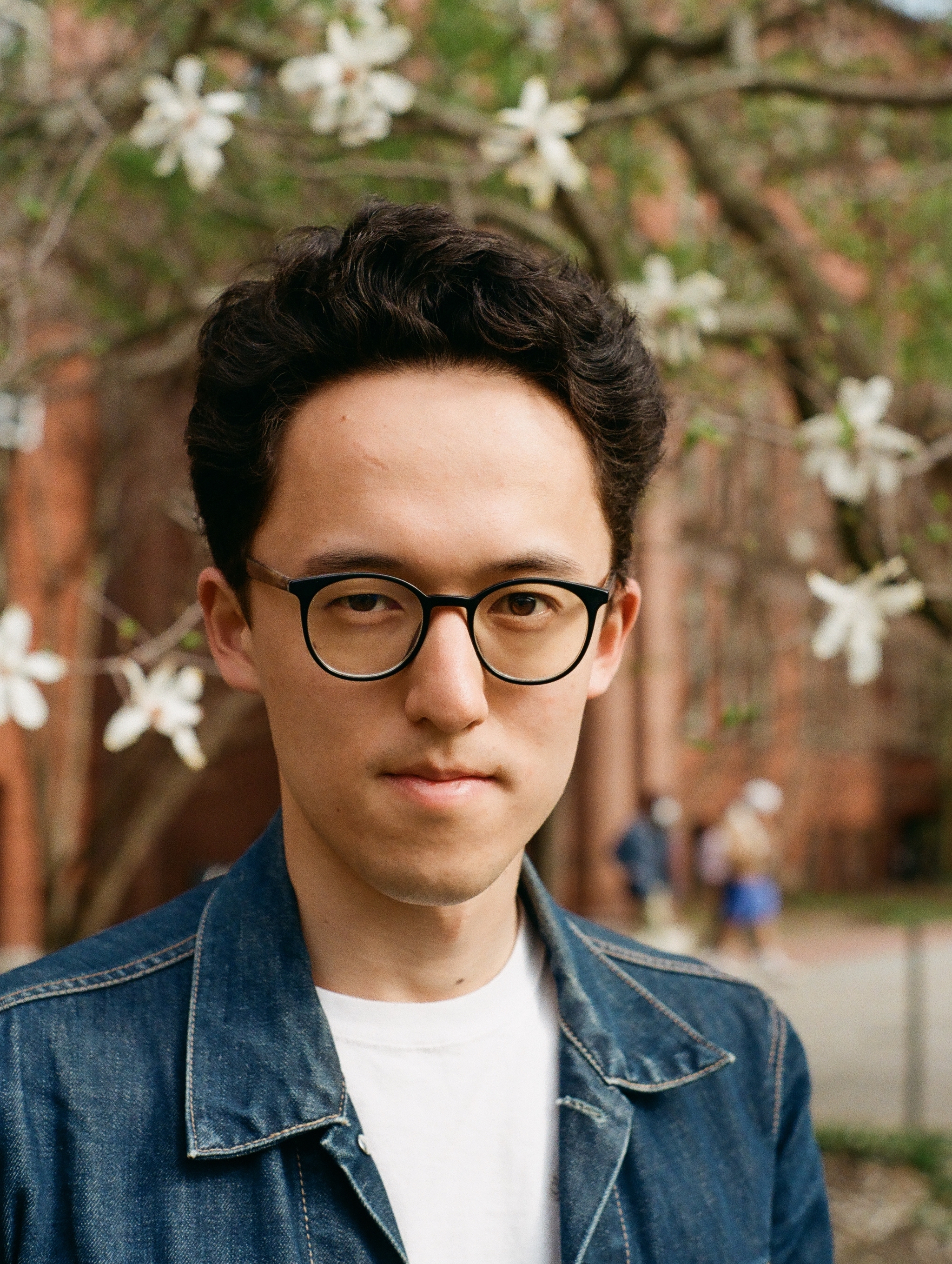
Thomas Hikaru Clark (now Faculty Fellow, NYU CDS)
My research interests relate to how humans solve the problem of communication under various constraints, including information-theoretic and availability-based pressures in both typical and atypical language user populations. I investigate these questions using a combination of computational modeling, behavioral experiments, and corpus studies.
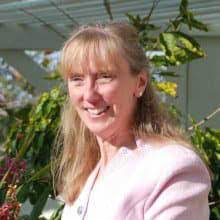
Rebecca Colavin
My main area of interest is computational phonology. I am interested in phonotactics, the set of language specific rules that determine the acceptability of sound sequences. In particular, I am interested in the nature of the phonotactic grammar and the relationship between lexical frequency and gradient speaker judgments.

Gabriel Doyle (now Associate Professor, SDSU Linguistics)
I'm a linguist interested in understanding how language is shaped by social and cognitive pressures. I model their influence using math and computers. My core stance on humans is that we are boundedly rational beings, meaning that we aim to behave rationality in a world that is incredibly complex. Thus, we can use rational (usually Bayesian) mathematical models of human behavior as our basic infrastructure for human thought and then examine how we deviate from that and why. My research uses these mathematical models to formalize human linguistic behaviors to try to quantify the effects of different cognitive, social, and communicative pressures on our language.

Tiwalayo Eisape (now Postdoctoral Fellow, Princeton Computer Science and Psychology)
I study the algorithms that underlie human language use. I am particularly interested in resource rationality and computational modeling. My current work uses recent advances in natural language processing, deep learning, and neurosymbolic machine learning to model human-like production, comprehension, and linguistic reasoning.

Richard Futrell (now Associate Professor, UC Irvine Language Sciences)
I study language processing in humans and machines using information theory and Bayesian cognitive modeling. I also work on NLP and AI interpretability.

Jon Gauthier (now Postdoctoral Scholar, UCSF)
I'm interested in linguistic meaning: how it is acquired by the child, how it is structured in the mind of the speaker, and how it is worked out in the mind of the listener. I study these questions through different computational case studies, combining data and methods from linguistics, psychology, artificial intelligence, and neuroscience. You can find much more about my work on my website, where I also blog about language, cognitive science, and philosophy, among other things.
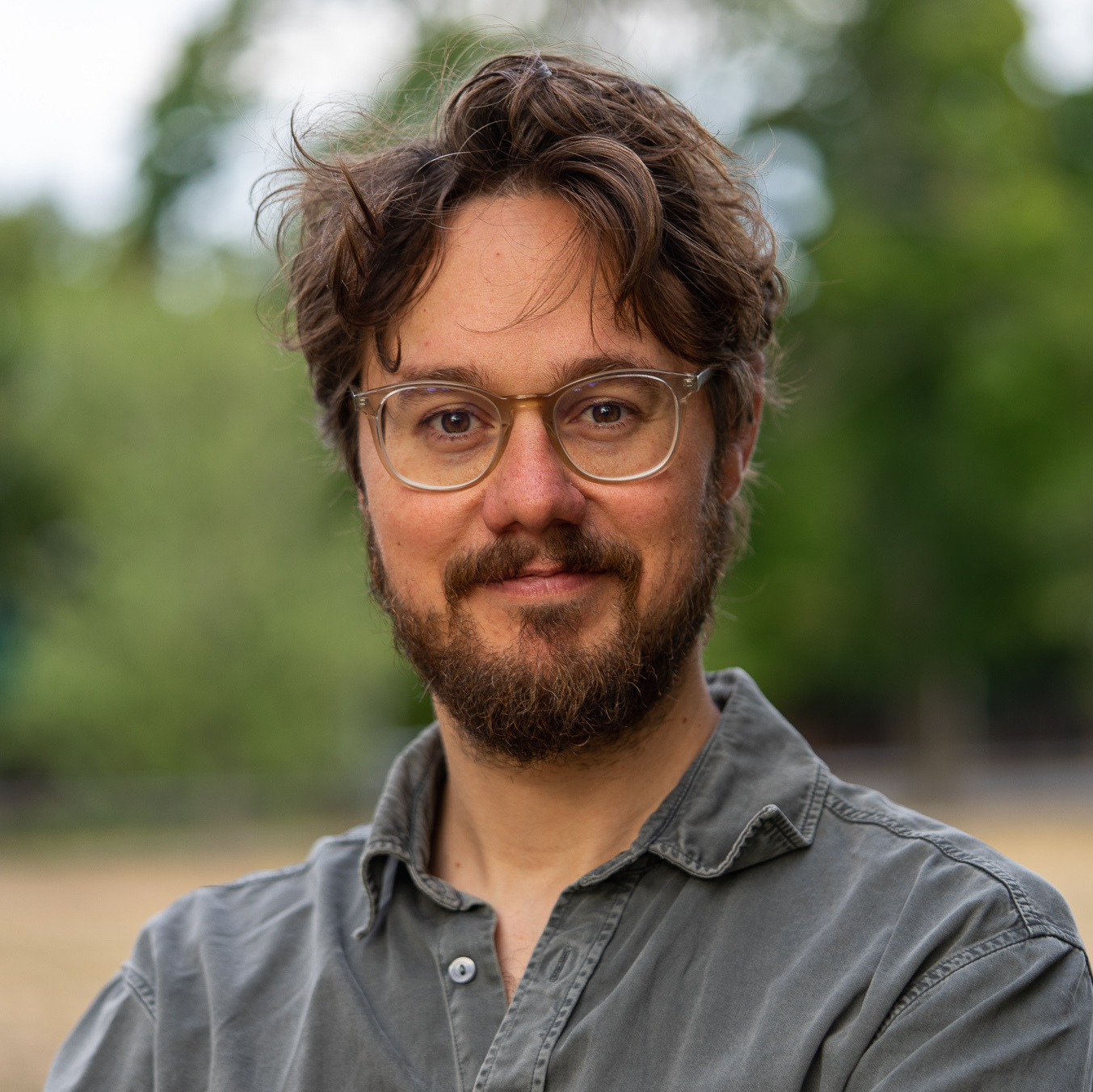
Matthias Hofer (now Postdoc, MIT BCS)
My research focuses on cognitive models of how language is perceived and acquired, with the goal of connecting these model to social and cultural processes to explain language structure. In particular, I am interested in how properties such as discreteness and compositionality arise in grounded communication systems that evolve over time. I pursue these questions by conducting behavioral experiments that mimic cultural evolutionary processes, and by building probabilistic models of the observed linguistic behavior.

Jennifer Hu (now Assistant Professor, Johns Hopkins University Cognitive Science and Computer Science)
My research develops computational models of how humans resolve ambiguity in language understanding, with the goal of building better systems of artificial intelligence. I am also interested in how brains and machines represent linguistic meaning and structure.
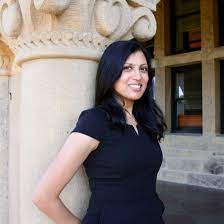
Anubha's PhD research focused on word order variation and language processing constraints in Hindi, using corpus analysis and controlled behavioral experiments.

Ben Lipkin (now Research Scientist and Research Engineering Group Lead, Stealth Startup)
I study the interface between natural language and formal reasoning, with a focus on logic, math, and code. My research combines interdisciplinary approaches from computational cognitive science and natural language processing to understand how people solve verbal reasoning tasks and to develop performant cognitively-inspired neurosymbolic AI systems.

Emily Morgan (now Associate Professor, UC Davis Linguistics)
To know a language is to use one's past linguistic experience to form expectations about future linguistic experience. This process is mediated by both speakers' stored representations of their previous experience, and the online procedures used to process new stimuli in light of those representations. My research thus asks what the form of these representations is, and how the language processing system integrates these stored representations with incoming stimuli to form online expectations during language comprehension. I also ask comparable questions in other domains, specifically programming languages and music.
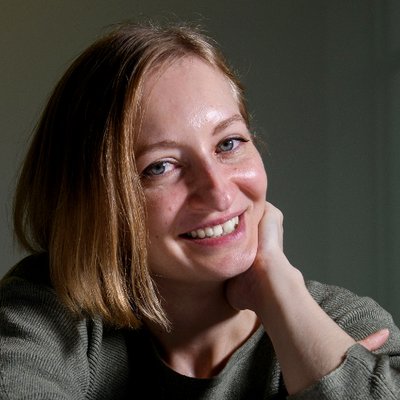
Bozena Pajak (now VP of Learning and Curriculum, Duolingo)
I am interested in how previously acquired linguistic knowledge affects future language learning. In particular, I adopt a Bayesian perspective on learning, which leads naturally to questions about how learners interpret new language input given their current state of knowledge. My work primarily investigates learning at the phonetic and phonological levels: I use psycholinguistic experiments and computational modeling to study how adults discriminate novel sounds and interpret statistical phonetic regularities in novel language speech given their prior language exposure.

Albert's PhD research focused on nonprojective dependency syntax and on noisy-channel grammar correction.
I'm interested in understanding how people process language, focusing in particular on the emergence of meaning from interaction. What speakers mean is often underspecified in what they actually say, and I want to understand how listeners infer the missing pieces of the puzzle. Recently, my main focus in addressing this rather broad question has been on ellipsis, in particular Verb Phrase Ellipsis. In some sense, elliptical utterances represent an extreme form of underspecification, but how the missing information is inferred remains highly controversial. I also work on the topic of inferential language comprehension from two other angles: the rational resolution of multiple implicature-driving forces; and a noisy-channel approach to non-literal interpretation.

Peng Qian (now Postdoc, MIT BCS & Harvard Psychology)
I'm interested in the cognitive basis of human language. My current work combines behavioral experiments and computational models to investigate the relevance of linguistic knowledge in learning, reasoning, and judgment.

Language is one of humanity's most complicated artifacts -- yet language use is fast, effective, and tightly coordinated with concurrent non-linguistic activities. The goal of my research is to understand the architecture of the cognitive systems that allow language to be used in real time, and to interact in a fine-grained, flexible, and non-modular way with non-linguistic cognition and action. I'm interested in this both for its own sake, and because it seems to me a paradigm case of a challenging cognitive task: a domain where some of the complexities of high-level cognition are laid bare, and whose study is likely to give insight into the architecture of high- and low-level cognition in general. Theoretically, my work draws on insights from traditional, psycho-, cognitive, and computational linguistics, and also theoretical tools from other psychological domains, in particular rational models of perception and control. Empirically, I use a wide variety of methods, including both designed experiments and corpus studies of eye-tracking, self-paced reading, cloze tasks, and EEG/ERP/rERP.

Ethan Wilcox (now Assistant Professor of Computational Linguistics, Georgetown)
I am a computational psycholinguist. I use tools from computer science to build models of language processing and language acquisition. I am particularly interested in how people process language as they read, and how they make inferences about language structure during language learning.

Meilin Zhan (now Data Scientist, AirBnB)
My research seeks to understand the cognitive underpinning of the production and comprehension of natural language. Speakers often face choices as to how to structure their intended message into an utterance. When multiple options are available, what general principles govern speaker choice? What inferences do comprehenders make about why something was said in a particular way? To answer these questions, I combine analysis of naturalistic language datasets, psycholinguistic experiments, and computational modeling. (Meilin was the first CPL student to graduate at MIT!)
Masters Alumni
Kinan Martin (now Applied AI Engineer, Reazon Holdings)
My interests are in natural language processing and the advent of large language models, which give a window into understanding how humans process language. My research probes language models of differing modalities to understand how language models represent linguistic structures, and how these representations may mirror or differ from those of the human brain. I am also interested in testing theories of cross-linguistic universalisms, such as uniform information density.

Subha Nawer Pushpita
I am very interested in understanding what aspects of a piece of text or a concept in a certain language make it easier for learners to process and understand that concept/text better. I envision a future where we use computational frameworks and tools to understand more about our brains, so that we can design learning materials and technologies in a way that will help us be better and more productive learners. In this era of LLM when the question whether AI will outsmart us constantly appears, we need to be more efficient learners and much better communicators, and I want to work on computational frameworks that can achieve those.

I am passionate about building software that can help research in traditionally less computationally intensive fields. My CPL project was about understanding the kinds of contextual cues available to children that helps them resolve ambiguous language.
Sophia Zhi
I'm interested in child language acquisition and what computational models can teach us about how children learn language. My research studies the role of multimodal information in child phonological acquisition and processing.
Research Associate Alumni

Tristan Thrush (now PhD Student, Stanford Computer Science)
In order to understand human intelligence, we need to understand how we can learn a mapping from language to meaning. Particularly, how do we come to associate language descriptions with relations and objects in a grounded environment, such as the real world? How can we use existing knowledge to infer the meanings of descriptions that are not easily exemplified? My approach is to construct computational models that learn this mapping as humans do. You can look at some of my work on my website.
Undergraduate Alumni

Chelsea Ajunwa (now PhD student, Northeastern Psychology)
Chelsea worked with Veronica Boyce on an experimental psycholinguistics project that involves studying human sentence processing using A-Maze.

Suhas Arehalli (now Assistant Professor of Computer Science, Macalester College)
Suhas worked with Eva Wittenberg on event representation and lexical semantics.

Faith Baca (now PhD Student, USC Computer Science)
I'm a fourth year undergraduate studying Linguistics and Math with CS at MIT. I'm interested in the intersection between computation and language, specifically with AI/ML, and I'm passionate about exploring this area through research to support marginalized language communities. Currently, I'm working on testing various autoregressive language models to extend the Maze task to Spanish.

Veronica Boyce (now Postdoc, MIT)
I'm interested in how language use shapes human interaction and influences our thoughts and beliefs. One of my research projects looks at how the gender information conveyed by pronouns seems to introduce biases between production and comprehension.

Wednesday Bushong (now Assistant Professor of Psychology and Cognitive & Linguistic Sciences, Wellesley)
Wednesday worked with Emily Morgan and Roger Levy on the processing of multiword expressions. She is interested in how people strategically make use of their probabilistic knowledge during language processing.

Curtis Chen (now PhD student, University of Edinburgh)
Curtis worked with Helena Aparicio on modeling and experimental approaches to how humans represent and reason about gradable adjectives.

Robert Chen
Robert worked with Tiwa and CJ on gamifying the collection of cloze completions to provide training data for cognitively plausible AI.

Jamie Fu
Jamie with Yevgeni Berzak to better understand language processing through the use of magnetoencephalography (MEG) neurosignals and eyetracking.

Vineet Gangireddy (now Citadel)
Vineet was an undergraduate (and concurrent Master's student) in Applied Mathematics at Harvard. He worked with Tiwa and Yoon Kim on interpreting language models as implicit parsers and developing psycholinguistically plausible attention strategies for transformers.

Siyi Lin
Siyi worked with Yevgeni Berzak on a project using eye-tracking experiments to correlate language comprehension and eye movements.

Jason Madeano
Jason worked with MH Tessler on iterated transmission experiments to study how people use language to share their thoughts. He also worked on probing off-the-shelf word embeddings to see how they can be used to differentiate between semantic relations.

Marisa Montione
“I am interested in language comprehension and how it affects human perception and biases. One of my research projects investigates what the human brain processing language looks like in real time through the use of magnetoencephalography (MEG) neurosignals. Additionally, I have interests in aphasia and language acquisition.”

CJ worked with Tiwa Eisape to tackle some of the challenges involved with collecting cloze completions at scale.
Diego Ureña
I’m a class of 2024 undergraduate majoring in computation and cognition (6-9). I have broad interests across language production, comprehension, and processing. My current project is with Yevgeni Berzak to better understand the relationship between language processing and comprehension through the use of MEG neuroimaging, and using that information to build improved NLP models.

Pranali Vani
Pranali worked with Ethan Wilcox on comparing human processing of language against the performance of NLP models.
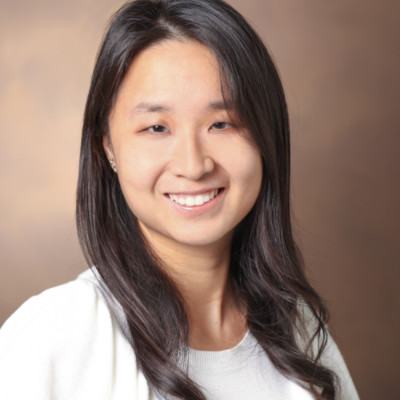
Melodie Yen (now Neuroscience, UCLA)
Melodie worked with Emily Morgan on the processing of multiword expressions.

Irene Zhou (now PhD student, Yale Psychology)
Irene worked with Noga Zaslavsky and Jennifer Hu to explore how humans resolve ambiguity in communication using models of pragmatic reasoning.
K. Michael Brooks
Hannah Campbell
Bonnie Chinh
Silvia Cho
Abhishek Goyal
Karen Gu
Brin Harper
Jiaxing Liu
Katherine Liu
Jake Prasad
Erin Shin
Agatha Ventura
Arun Wongprommoon
Beining Jenny Zhang